Prices are estimates. How we get them
 Deck builders · Iowa City, IA
We build custom decks in Iowa City, Coralville, North Liberty, and Tiffin that stand up to our winters and clay soil.
Get my free quoteIowa City sits on clay-rich glacial soil that expands when wet and contracts when dry. That puts constant pressure on deck footings and support posts. We account for that movement in every deck we build, using proper footing depth and drainage to prevent settling and shifting over time.
Our area sees about 100 freeze-thaw cycles each winter, with the first hard freeze around October 18 and the last freeze near April 21. Those cycles are hard on any outdoor structure. We use fasteners, flashing, and lumber grades that hold up through repeated freezing and thawing without warping or pulling loose.
Whether you live in Manville Heights, Longfellow, the Eastside, or out in Coralville or North Liberty, we build decks that fit your lot and your needs. Most of our clients want a deck that handles Iowa weather without constant repairs, and that's what we deliver.
We design and build decks that fit your yard, your home, and how you plan to use the space. Every deck gets proper footings below frost line and drainage to handle our clay soil and freeze-thaw cycles.
Older decks often show loose boards, sagging joists, or shifted posts after years of freeze-thaw stress. We repair structural issues, replace damaged lumber, and reinforce framing to bring your deck back to code.
Composite and PVC decking materials resist moisture, rot, and temperature swings better than wood. We install all major brands and can match your budget and look preferences.
If your deck frame is still solid but the surface is worn or splintered, we can replace just the decking boards and railings. This costs less than a full rebuild and extends the life of your deck by years.
We build and replace railings in wood, composite, cable, or metal to meet code and match your style. Stairs get proper rise and run dimensions, and we can add ramps or wider openings for accessibility.
Iowa City requires permits for most deck projects, and inspections check footing depth, joist spacing, and railing height. We handle the permit process and build to code so your deck passes inspection the first time.
Johnson County clay soil moves with moisture, and our 100-plus freeze-thaw cycles each winter stress every joint and fastener. We build for those conditions, not just general deck standards.
Decks fail when footings shift or water pools under the frame. We dig footings below frost line, use concrete piers sized for clay soil, and grade for drainage so your deck stays level and dry.
We give you a written estimate that includes materials, labor, permits, and disposal. If we find something during the job that changes the scope, we talk to you before we proceed.
We keep your yard as clean as possible during the build, haul away all debris when we finish, and leave you with a deck that's ready to use. No piles of scrap lumber or leftover concrete.
Iowa City sits on deep glacial clay deposits that swell during wet weather and shrink when dry. The area gets about 36 inches of rain per year, with heavy spring storms and summer thunderstorms that saturate the ground quickly. That clay movement stresses deck footings and posts, so we dig below the frost line and use concrete piers that resist shifting. Johnson County also sees over 100 freeze-thaw cycles each winter, with first freeze around mid-October and last freeze near April 21. Those cycles expand and contract moisture in lumber and soil, which is why proper flashing, fasteners, and lumber selection matter for long-term durability.
Iowa City requires building permits for most deck projects, and the inspection process checks footing depth, joist spacing, ledger attachment, and railing height. The city wants to see that your deck is built to handle our soil and weather, not just general standards. Many of the homes in neighborhoods like Manville Heights, Longfellow, and the Eastside were built between the 1920s and 1960s, so older houses sometimes need ledger upgrades or additional blocking before we can attach a new deck. We handle the permit paperwork, coordinate inspections, and make sure your deck meets all local codes.
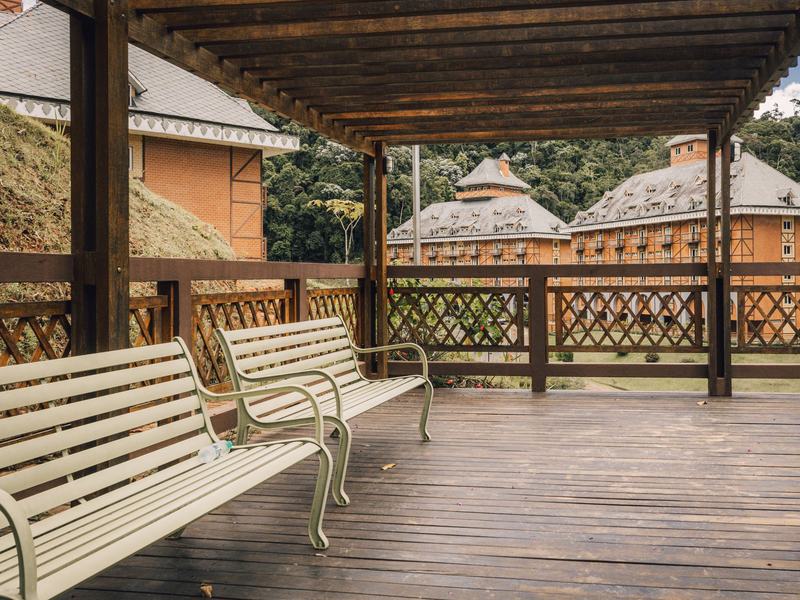
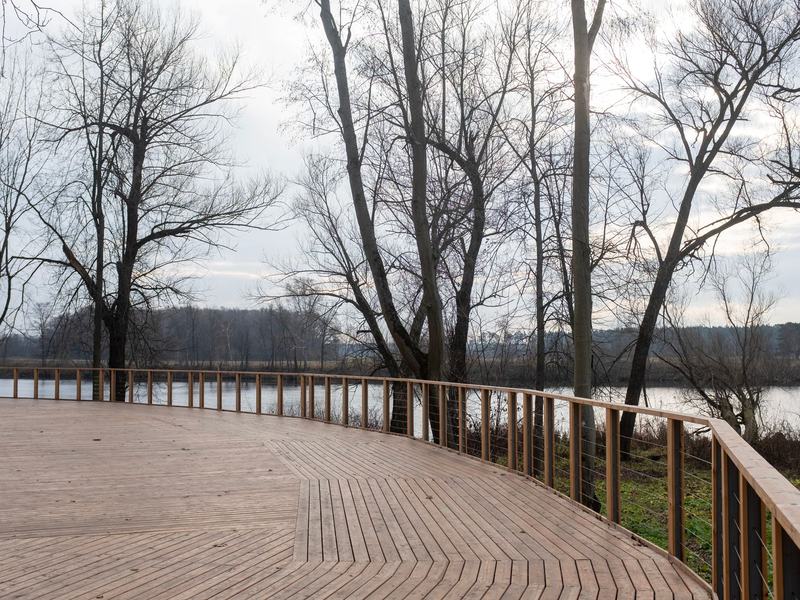
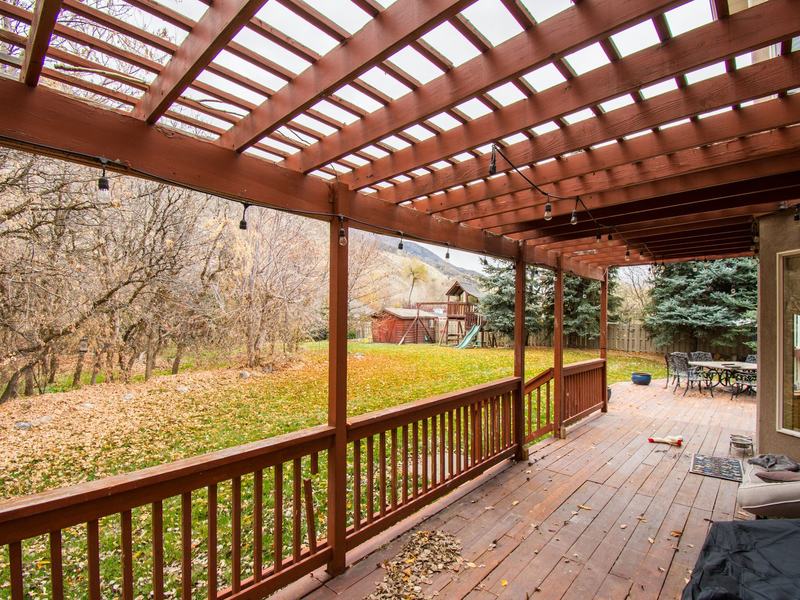
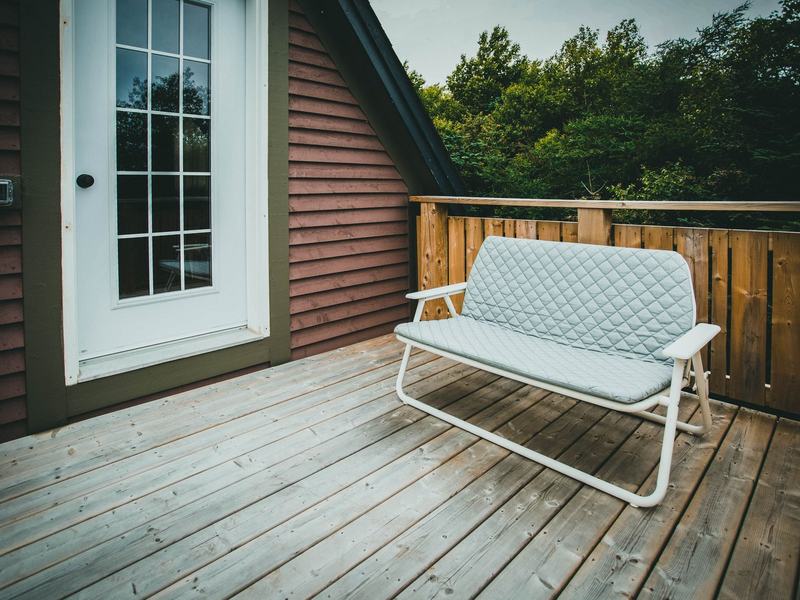
A typical pressure-treated wood deck runs between $35 and $50 per square foot installed, so a 12x16 deck costs around $6,700 to $9,600. Composite or PVC decking adds $10 to $20 per square foot, bringing a similar-sized deck to $8,600 to $13,400. Prices go up with multi-level designs, built-in benches, pergolas, or challenging site conditions like steep grades or limited access. Permits in Iowa City typically add $150 to $300 depending on deck size. Jobs that need significant grading, old deck removal, or ledger repairs to older homes add to the total. We give you a detailed estimate after we see your property so there are no surprises.
Based around Iowa City, IA, we also take jobs in these nearby towns. Put your town on the form and we will tell you right away if we can help.
Most deck projects in Iowa City require a building permit, especially if the deck is attached to the house or more than 30 inches above grade. The city reviews plans and inspects footings, framing, and railings to make sure everything meets code. We handle the permit application and coordinate inspections as part of the job.
Footings need to go below the frost line, which is typically 42 inches deep in Johnson County. Shallow footings will heave during our freeze-thaw cycles and cause the deck to shift or pull away from the house. We dig deep enough and use concrete piers sized for our clay soil to keep your deck stable.
Pressure-treated lumber costs less upfront and holds up well if it's maintained with stain or sealant every few years. Composite or PVC decking costs more but resists moisture, rot, and temperature swings without ongoing maintenance. Both work fine in Iowa City weather, so the choice comes down to budget and how much upkeep you want to do.
Most decks take one to three weeks from permit approval to final inspection, depending on size, complexity, and weather. Simple single-level decks go faster, while multi-level designs or projects that need significant grading or old deck removal take longer. We give you a timeline estimate when we provide your quote.
Yes, but older homes sometimes need blocking or reinforcement added to the rim joist before we can safely attach a ledger board. Many homes in neighborhoods like Manville Heights and Longfellow were built before modern building codes, so we inspect the attachment area and make any needed upgrades. The city inspector checks ledger attachment closely during the framing inspection.
Wood decks should be cleaned and resealed every two to three years to protect against moisture and UV damage. Composite decks just need periodic cleaning with soap and water. Check fasteners and railings each spring after freeze-thaw cycles, and clear leaves and debris from between deck boards to prevent rot and mold.
Tell us what you need and where. We usually reply within one business day. A photo helps us give you a faster, more accurate quote.
No obligation and no pressure.
 IOWA CITY